
Dr. W. Edwards Deming
Master Teacher
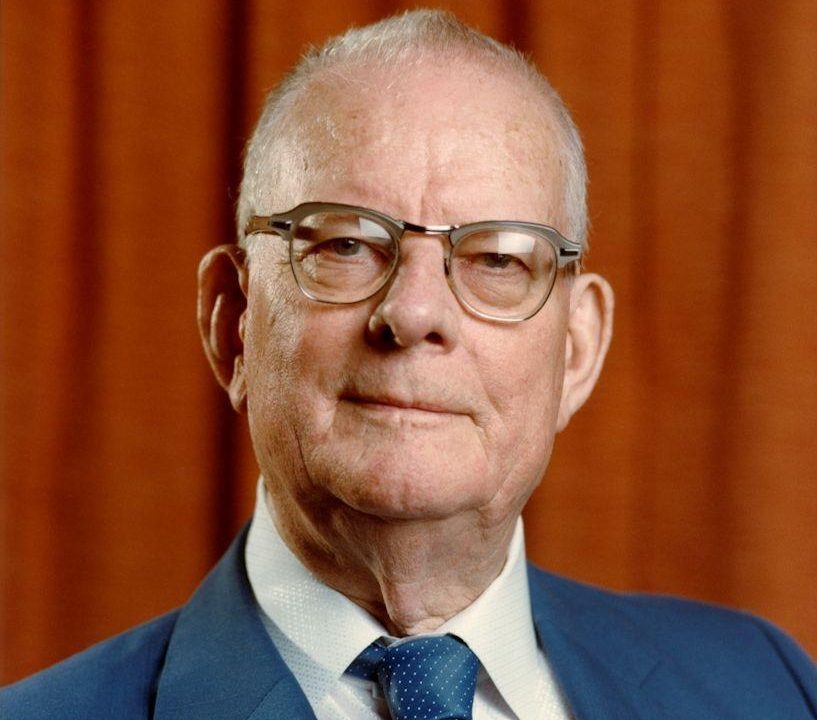
Dr. Deming was a visionary American statistician, engineer, Theologian and management consultant who single handedly transformed the way the world thinks about quality, productivity, and leadership.
Born in 1900 in Iowa, Deming earned degrees in electrical engineering and mathematical physics. He transformed the way organizations thought and operated. He ‘introduced the statistical process control and quality management principles that helped rebuild Japan’s economy after World War II. He is credited as the key architect of Japan’s postwar industrial miracle. The prestigious Deming Prize, awarded annually in Japan, honors excellence in quality management.
In the U.S., Deming gained wider recognition later in life. His ideas became the foundation for movements like Total Quality Management (TQM) and Six Sigma.
A few of his most influential contributions include:
- The 14 Points for Management, which outline a philosophy for transforming business effectiveness.
- The System of Profound Knowledge, a framework combining systems thinking, variation, psychology, and knowledge theory.
- The Plan-Do-Study-Act (PDSA) cycle, a method for continuous improvement.
Deming believed that most problems in organizations stemmed from poor systems, not people. He championed cooperation over competition, longterm thinking over short-term gains, and intrinsic motivation over fearbased management.
He passed away in 1993, before I had a chance to meet him, but his teachings continue to influence industries, educators, and leaders around the world.
The first of his 14 points, constancy of purpose is the bedrock of Deming’s philosophy. It’s his very first point for a reason. He believed that organizations must commit to a long-term vision focused on improving products and services—not just chasing quarterly profits or reacting to market whims.
In his own words, it means dedicating yourself to becoming competitive, staying in business, and providing jobs. That requires investing in research, education, innovation, and continuous improvement—even when the payoff isn’t immediate.
It’s a quiet but radical idea: that leadership should be anchored in purpose, not panic. Without it, Deming warned, companies drift, react, and ultimately falter. With it, they build trust, resilience, and a culture where people know why their work matters.
It’s also one of the “Seven Deadly Diseases” he saw in management—a lack of constancy of purpose was, to him, a fatal flaw.
As founder and President of Success Pathways, I am privileged to be associated with the Deming Institute, steeped in his teachings and the privilege of being close to the Deming family, his daughter Diana, grandson Kevin and his wife Judy, who treat me as family. His legacy lives on to lead another generation of youth to unsurpassed excellence in any fields of endeavor.